Driveways · Comparison
Concrete vs. Asphalt Driveway in Reno: Cost, Lifespan, and Freeze-Thaw
As of October 2026, a reinforced concrete driveway in Reno/Sparks costs $6–$11 per square foot installed (Reno-specific contractor data, 2024), and an asphalt driveway costs $5–$12+ per square foot on national figures — no Reno-specific asphalt rate has been published that we could verify. The up-front gap is small. What separates them in Reno is the six-month freeze season, the sealcoating asphalt needs every few years, and a lifespan difference of roughly a decade. Reno Concrete Pro doesn't pour either one — we match you with independent, NSCB-licensed contractors who quote your actual driveway.
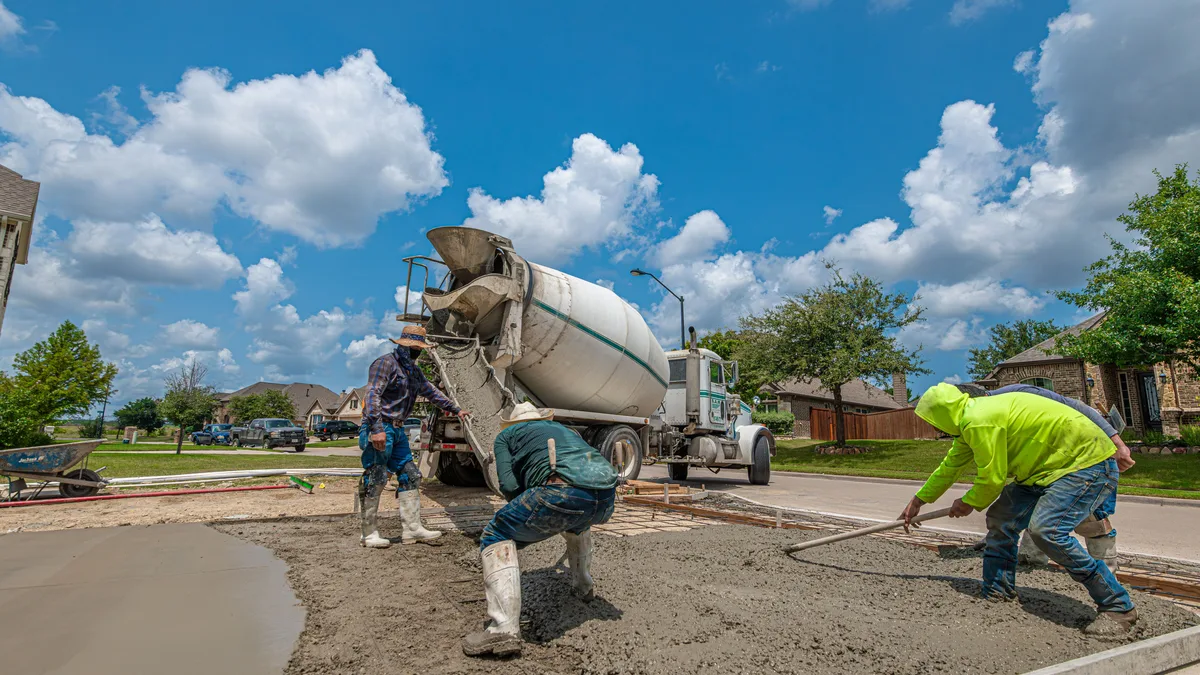
Side by side: concrete vs. asphalt for a Reno driveway
The concrete column below is the same Reno-specific 2024 data our driveway cost page uses. The asphalt column is a national figure, because the aggregator that publishes Reno-specific concrete pricing has no Reno asphalt page, and none of the paving contractors we checked in Reno or Sparks publish rates. Treat the asphalt numbers as a starting range, not a local quote.
Concrete driveway, Reno/Sparks (local data)
| Reinforced concrete, per sq ft installed | $6–$11 |
|---|---|
| Un-reinforced concrete, per sq ft | $6–$10 |
| 600 sq ft driveway (about 20 × 30 ft), reinforced | $3,600–$6,600 |
| Typical 2–3 car driveway, total | $4,000–$9,700 |
| Remove an old driveway first, per sq ft | $1.2–$1.8 |
| Resurface worn concrete later, per sq ft (national) | $3–$7 |
| Expected lifespan (national comparison) | 30–40 yrs |
Methodology: HomeBlue, Reno-specific data, published 2024-06-10 (RENO-034); the 600 sq ft line is 600 × the per-sq-ft range, not a separate source; resurfacing and lifespan from HomeGuide (2026-02-03) + Angi (2026-07-09) + Homewyse (pulled 2026-09-16), national and HomeGuide's concrete-vs-asphalt table (byline 2025-05-28).
Asphalt driveway (national data — no Reno-specific figure found)
| Hot-mix asphalt, per sq ft installed | $5–$12+ |
|---|---|
| Recycled asphalt, per sq ft | $4–$9 |
| 600 sq ft driveway | $3,000–$7,200 |
| 400 sq ft driveway (20 × 20 ft) | $2,000–$4,800 |
| Sealcoating, per sq ft (recurring) | $1–$2 |
| Resurface (overlay), per sq ft | $3–$7 |
| Crack / pothole repair, small to major | $100–$400 to $600–$3,000 |
| Expected lifespan | 15–30 yrs |
Methodology: HomeGuide, national, byline 2025-05-28 (asphalt driveway cost + concrete-vs-asphalt comparison table); no Reno-specific asphalt figure found as of 2026-10-14
Why Reno's climate decides this more than the quote does
Reno and Sparks sit at roughly 4,500 feet with cold, dry winters and hot, dry summers, and that combination is hard on both materials in different ways. Frost risk here begins around October 10, the 50%-probability first fall frost is around October 27, and the last spring frost is around April 28 — call it six months a year when water that gets into a driveway can freeze overnight and expand. Washoe County's building design values put the frost line at 24 inches, which is a footing-depth figure rather than a driveway rule, but it tells you how deep the ground freezes in a hard winter.
- Concrete is rigid. It handles a frozen base well if the base was compacted and drained properly; if the ground under one corner heaves, a rigid slab cracks rather than flexing. Control joints, reinforcement, and a properly graded base matter more here than in a mild climate. Once a crack opens, each winter's ice widens it — the spalling and crack repair covered on our repair page is mostly freeze-thaw damage.
- Asphalt is flexible. It tolerates minor base movement better than concrete, which is why it is the default for roads. The trade-off is that the binder oxidizes and stiffens in Reno's high-UV summers and softens under heat, so asphalt needs sealcoating on a recurring schedule to keep water out of the surface. Skip the sealing and the same freeze-thaw cycle that cracks concrete turns asphalt into alligator cracking and potholes faster.
- Both depend on the base. Soil conditions vary a lot from one Reno lot to the next, and a driveway on poorly compacted fill fails regardless of surface. Any bidder for either material should talk about base depth, compaction, and where the water goes before they talk about finish.
The install window is shorter for both
Concrete needs above-freezing temperatures while it cures, and hot-mix asphalt has to be placed and compacted while it is still hot enough to work — it cools faster on a cold day, which shortens the working time and hurts compaction. Practically, that puts the Reno driveway season from late spring through early fall for either material. Concrete crews can extend it somewhat with insulating blankets and cold-weather admixtures; asphalt crews mostly wait. If you are getting quotes in October, ask each bidder whether they are proposing to install now or hold until spring, and what they do if a cold snap arrives mid-job.
What ten years of ownership looks like
Take a 600-square-foot driveway, roughly 20 by 30 feet. The arithmetic below uses the ranges in the tables above and is illustrative — your quotes will land somewhere inside it, not at the ends.
- Concrete: $3,600–$6,600 to install (600 × $6–$11). Normal maintenance over ten years is washing and, if you choose, a penetrating sealer; there is no required recurring service. Expected life on the national comparison is 30–40 years, so ten years in you are a quarter to a third of the way through it.
- Asphalt: $3,000–$7,200 to install (national). Sealcoating runs $600–$1,200 per application at $1–$2 per square foot; the published interval is anywhere from every two years to every ten, which in a freeze-thaw climate means plan for the shorter end. Three sealings over ten years adds roughly $1,800–$3,600, and crack sealing as needed runs $100–$400 a visit. Expected life is 15–30 years, so a ten-year-old asphalt driveway may be approaching an overlay at $3–$7 per square foot.
Add it up and the two materials cost about the same to own for the first decade; concrete pulls ahead in the second decade because it is still there and the asphalt is being resurfaced or replaced. That is the honest version of "concrete is more expensive": it is more expensive on the day you pay for it, and cheaper by the time you sell the house.
When asphalt is the right call anyway
- Long rural driveways. On a 2,000-square-foot approach in Spanish Springs, Washoe Valley, or Cold Springs, the per-square-foot gap compounds and asphalt's lower floor matters more than its maintenance.
- A short ownership horizon. If you expect to sell within five to eight years, you will not be around for asphalt's second-decade costs.
- Unstable or newly placed fill. Where the base is likely to settle, asphalt's flexibility is an asset — though a better answer is usually to fix the base.
- Matching an existing asphalt surface. Extending or widening an asphalt driveway in asphalt avoids a visible seam between materials.
When concrete is the right call
- You plan to stay. The lifespan advantage is the whole case for concrete, and it only pays if you are there to collect it.
- Heavy loads. An RV, boat trailer, or work truck parked in the same spot deforms asphalt in summer heat; a 5–6 inch reinforced slab does not.
- You want a finish. Broom, exposed aggregate, color, or stamping are concrete-only options — see stamped concrete pricing for what the decorative upgrade adds.
- Snow and ice management. Concrete's lighter color and rigid surface hold up to shoveling and plowing better than asphalt, which can gouge when soft.
Permits, licenses, and the down-payment cap
New driveway flatwork in Reno, Sparks, and unincorporated Washoe County generally goes through the shared regional permit portal at onenv.us; your contractor should confirm the requirement for your address and whether a curb cut or right-of-way encroachment is involved before work starts — we do not publish fee schedules we have not independently verified. Concrete work falls under the Nevada NSCB C-5 (Concrete Contracting) classification; asphalt paving is a different license lane, so ask any paving bidder for their license number and classification and check it yourself at https://app.nvcontractorsboard.com. Whichever material you choose, Nevada law (NRS 624.970) caps a residential contractor's lawful down payment at the lesser of $1,000 or 10% of the contract price. Our guide to choosing a Reno concrete contractor walks through the rest of the vetting checklist, and the license verification walkthrough shows the lookup step by step.
Get a concrete quote for your driveway
If concrete is the direction you are leaning, tell us the rough size and whether there is an old surface to remove and we will match you with an independent, NSCB-licensed C-5 contractor in Reno or Sparks who quotes it in person. Still deciding? The full Reno concrete cost guide covers patios, foundations, and repair alongside driveways.